In the US (trading crypto without KYC is indeed possible), but it presents challenges as numerous platforms restrict American IP addresses to sidestep legal issues. Traditional institutions view exchanges that adhere strictly to regulations as safer, due to their obligation to comply with a more rigorous set of rules. Commonly (upon completing a withdrawal), a confirmation code is required via email or two-factor authentication.
However, these platforms come with potential risks, such as lack of regulation, vulnerability to scams, and challenges in recovering lost funds. While non-KYC crypto exchanges offer several benefits, they also come with some risks and challenges. However, non-KYC crypto exchanges offer an alternative for users who prefer to maintain their anonymity and avoid the extensive documentation required by KYC verification. KYC (or Know Your Customer), is a regulatory process that requires financial institutions, including cryptocurrency exchanges, to verify the identity of their customers. However, it’s important to note that non-KYC crypto exchanges may not offer the same level of security as traditional exchanges that require KYC verification.
Our research indicates that Asia remains the region with the greatest fragmentation regarding privacy-centric crypto trading. In 2025, hacks resulted in the theft of over $3.4 billion in cryptocurrency, highlighting the importance of security alongside anonymity. Numerous articles (landing pages), and market analyses have been authored by me for well-known platforms such as CryptoQuant and CryptoPotato.com. Robosats is another simple, Tor-based P2P platform for trading Bitcoin. The options and liquidity are certainly limited when compared to platforms like Hodl Hodl or Bisq.
It will be one extra step towards the freedom our customers require and a more user-friendly experience for them. As StealthEX respects its customers and wants to make your experience with us as comfortable as possible, we introduce no KYC purchases to new StealthEX users. Many customers (especially in the crypto industry), find this inconvenient and believe that KYC or verification contradicts the whole idea of cryptocurrencies and the freedom they provide in the digital world. A few years ago, KYC (Know Your Customer) procedure was introduced to protect both customers and trading platforms. Today, transactions within one blockchain or cross-chain swaps are becoming more and more popular in the crypto industry and beyond.
How to Buy Crypto Without KYC
While the platform is accessible in over 160 countries, it is not available to users in the United States. With over 800 cryptocurrencies and more than 1,000 spot trading pairs — it is particularly popular with traders looking for newer or smaller- anonymous crypto exchange cap tokens that may not yet be listed on larger platforms. LBank is a British Virgin Islands-based centralized exchange founded in 2015 that has built a strong reputation for offering one of the widest selections of altcoins and memecoins in the industry.

Non-KYC exchanges provide anonymity but come with risks, including security issues and lack of regulatory protection. Here is an overview of the best no KYC cryptocurrency exchanges (looking at their supported cryptos), supported countries and their custody offerings. Unless you’re looking to trade huge amounts, you’ll find that most withdrawal limits will be sufficient to buy crypto with no KYC. There is no identity verification requirement to register an account, so you’ll have complete anonymity. If you’re looking for a cryptocurrency exchange without KYC (be mindful that platforms can still restrict withdrawals), apply AML flags, or operate offshore with limited user protections. They operate through smart contracts and allow users to trade directly from non-custodial wallets, offering a higher degree of anonymity and control over funds.
KCEX
While they offer privacy, this comes at the cost of limited user protection. Trading on a no-KYC exchange may carry significant risks, primarily due to the lack of regulatory oversight. If you’re one of those traders, don’t forget to check the limits on unverified accounts offered by exchanges like MEXC and BYDFi, and the other exchanges mentioned on this list. Additionally, some traders may live in countries where KYC is not required but still want to trade cryptocurrencies. The exchange’s blog features regular updates and analysis of the cryptocurrency markets, as well as guides and tutorials for users who want to improve their trading skills.
Changelly and SimpleSwap
We’ve prepared a quick step-by-step guide to help you learn how to buy crypto without KYC. If you’re still wondering where to buy crypto without KYC, there are a few key considerations you need to make to determine which no-KYC platform is safe and right for you. Everything in the crypto realm comes with benefits and risks — and no-KYC exchanges are no exception. However, they tend to avoid countries with explicit bans or strict requirements. Most other countries either have no regulations or have relatively lax laws regarding cryptocurrencies and exchanges.
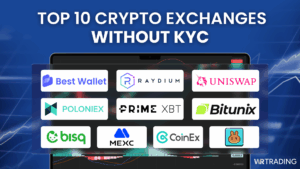
In addition to ensuring anonymity, the leading no KYC crypto exchanges provide rapid withdrawals, data security, and transparency. The cryptocurrency exchange market boasts diversity, with some traders prioritizing anonymity while others favor a centralized approach. Although many no KYC exchanges offer safety, they entail heightened risks due to the absence of regulatory supervision. Notable crypto exchanges with no KYC requirements include TradeOgre — Hodl Hodl, and Bisq. Always make security your top priority and be aware of the risks when utilizing exchanges that don’t need verification.
Buying Bitcoin Peer to Peer, Step by Step
The primary risks involve counterparty fraud (payment reversals), and bugs within the protocol. Bisq Easy and RoboSats conduct Bitcoin trades rather than USDT — so a typical method is to purchase Bitcoin peer to peer and subsequently exchange it for USDT using a decentralized exchange from your own wallet. According to the new OECD Crypto-Asset Reporting Framework (CARF) set to take effect in 2026 — centralized exchanges in various countries must report user cryptocurrency transactions to tax authorities. Regardless of verification status (blockchain transactions remain traceable), and tax liabilities are applicable. It is vital to remember that using no KYC crypto exchanges does not absolve one from responsibility despite the emphasis on privacy.
Those users whose focus lies exclusively on major cryptocurrencies might find a more restricted selection adequate. While some platforms concentrate on a select few major assets, others accommodate hundreds or even thousands of tokens spanning numerous networks. Withdrawal limits are more commonly found on centralized platforms with limited or no KYC, so they should be scrutinized carefully before usage. Wallet addresses and transaction histories are publicly accessible, and advanced analysis can potentially connect activities to specific individuals. No-KYC platforms may benefit individuals residing in countries with stringent financial regulations or those lacking the typical documentation needed for identity verification.
Nonetheless, no platform is guaranteed to remain static, making it wise to review the most recent verification policy prior to depositing your cryptocurrency. However (regulations differ greatly from one country to another), so reviewing guidance from your local financial authority is essential before selecting an exchange. This is typically the first inquiry people make — and answering it with a straightforward yes or no can be quite challenging. In comparison to other P2P exchanges we have discussed (its limitations are stark since it exclusively facilitates Monero trades), placing it at the lowest rank on the list. While it is non-custodial and generally does not require KYC — it is restricted to specific regions. However (the downside is its limitation to the BSC ecosystem), contrasting with Uniswap’s wider scope.