Importance of Structural Stability in Modern Building Design
What is Structural Stability?
- Dead loads (self-weight of the structure)
- Live loads (people, furniture, equipment)
- Environmental forces (wind, earthquakes, temperature changes)
Why Structural Stability Matters
1. Safety of Occupants
The foremost priority of any structure is the safety of its users. Poor stability can lead to structural failures, posing serious risks to life and property.
2. Longevity of the Building
Buildings designed with strong structural stability require less maintenance and have a longer lifespan, making them cost-effective in the long run.
3. Resistance to Natural Disasters
In regions prone to earthquakes or high winds, structural stability becomes crucial. Proper design ensures that buildings can absorb and dissipate energy without catastrophic damage.
Key Factors Influencing Structural Stability
1. Load Path and Distribution
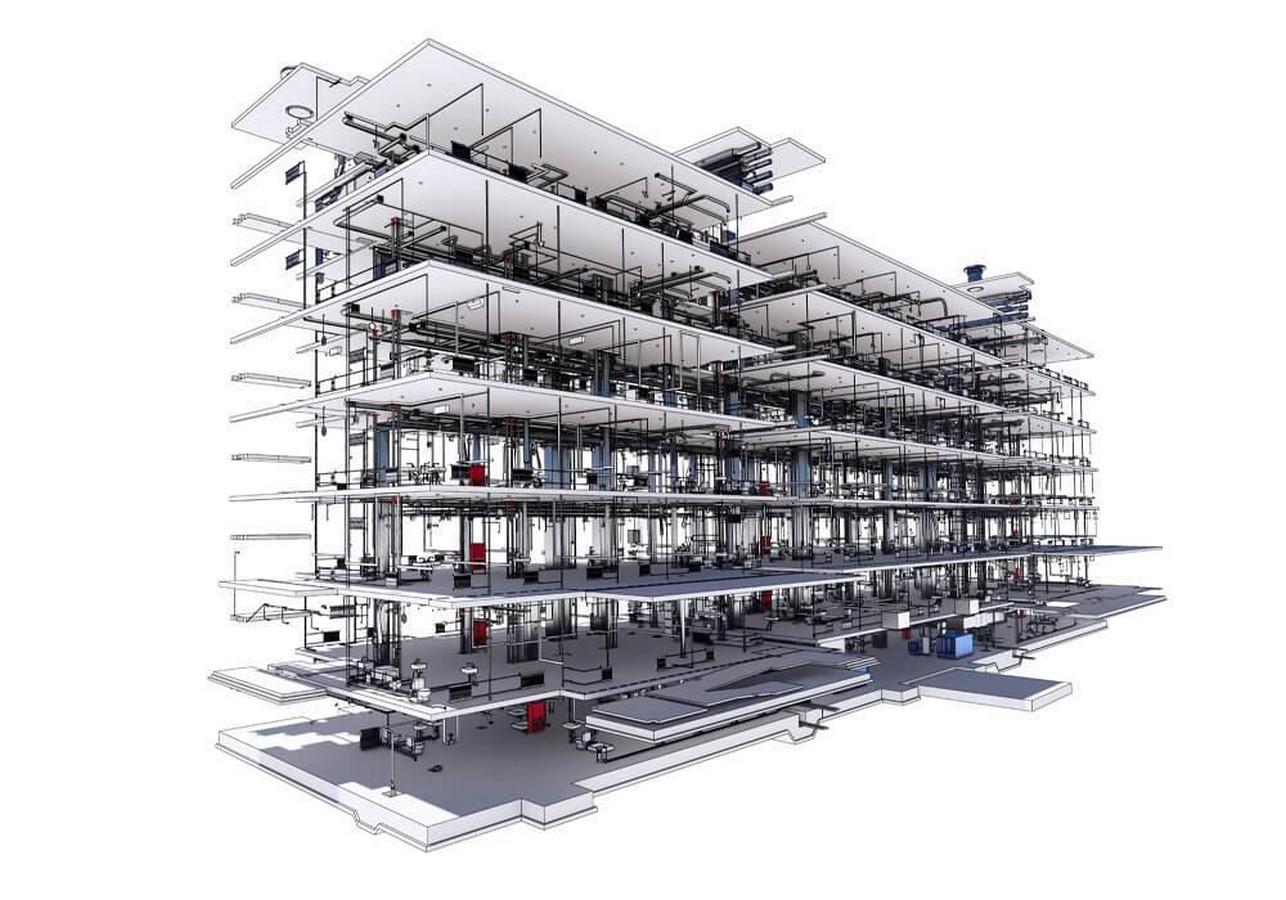
A well-designed structure ensures that loads are transferred efficiently from slabs to beams, columns, and ultimately to the foundation.
2. Material Selection
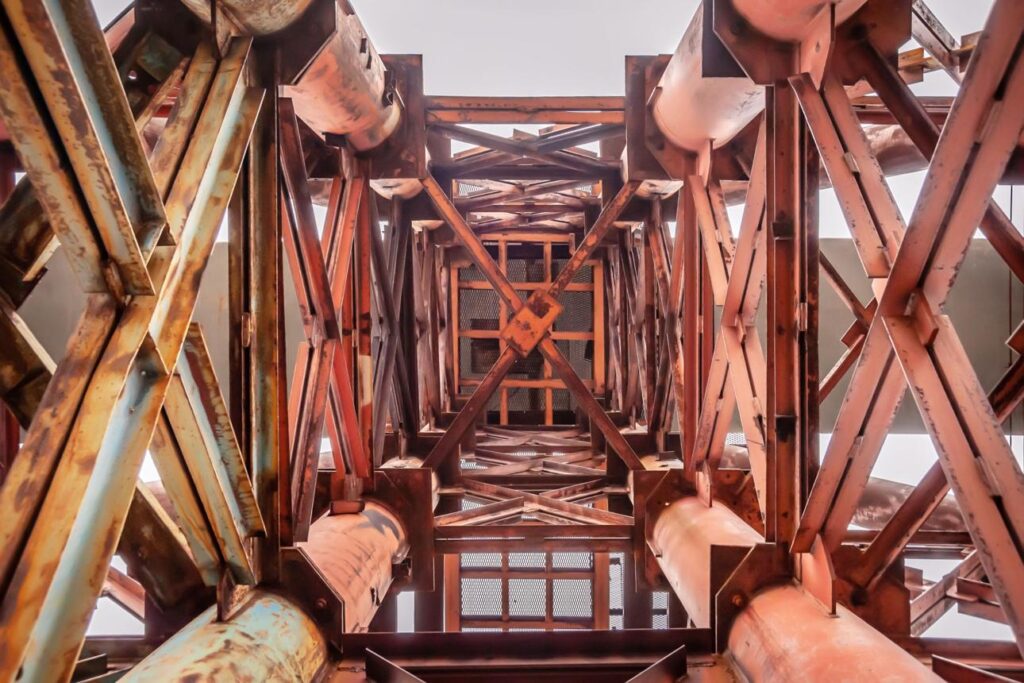
Choosing the right materials, such as reinforced concrete, structural steel, or composites, directly impacts the strength and flexibility of the structure.
3. Foundation Design
A strong foundation anchors the building and prevents settlement or tilting. Soil conditions play a major role in determining the type of foundation used.
4. Structural Configuration
The arrangement of structural elements affects how forces are distributed. Symmetrical and balanced designs generally perform better under stress.
Role of Technology in Enhancing Stability
- Advanced simulations for load behaviour
- Real-time stress analysis
- Optimisation of material usage
- Detection of potential design flaws early
Common Challenges in Achieving Stability
- Complex architectural demands
- Limited site conditions in urban areas
- Budget constraints affecting material choices
- Compliance with evolving building codes
Best Practices for Ensuring Structural Stability
1. Integrated Design Approach
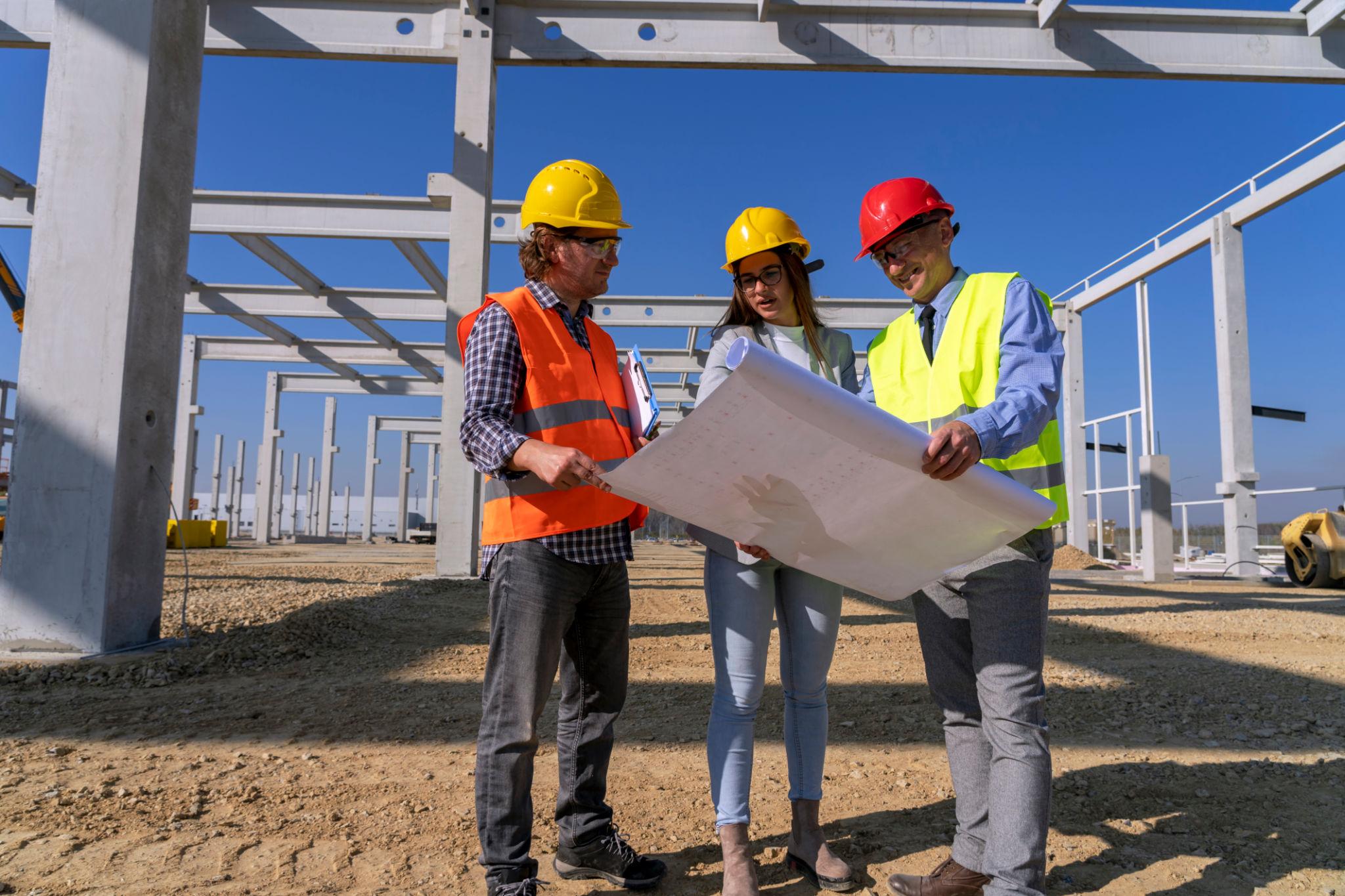
Early collaboration between architects and structural engineers leads to better outcomes.
2. Regular Design Reviews
Multiple checks and validations help identify potential weaknesses before construction begins.
3. Quality Control During Construction
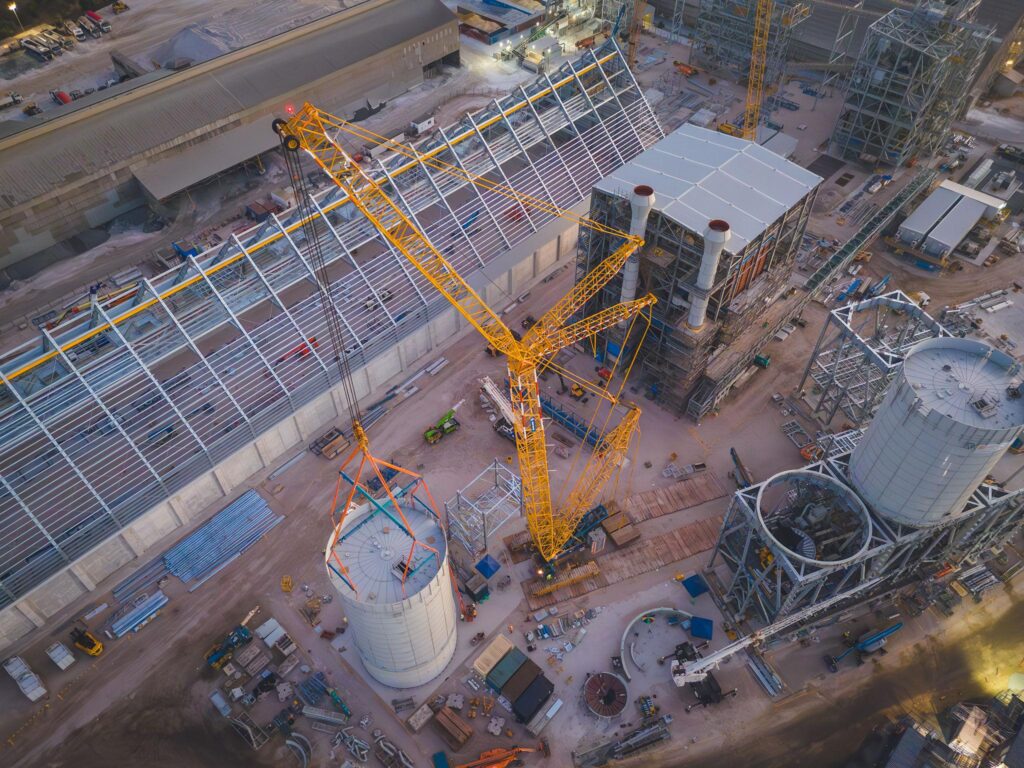
Even the best design can fail if not executed properly. Continuous supervision is essential.
Conclusion
For projects that demand reliability and performance, working with specialists like Perceptive Ideas Consulting ensures that every structural element is thoughtfully designed and expertly executed, laying the groundwork for buildings that stand strong for generations.