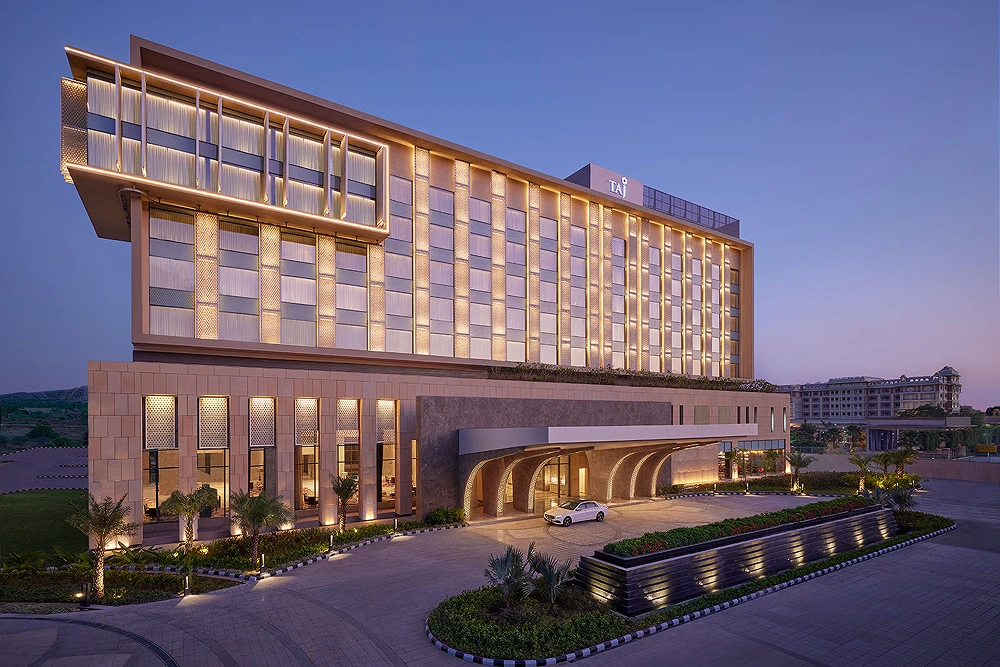
Role of Structural Engineering in Sustainable Building Design
As sustainability becomes a core priority in construction, structural engineering is playing an increasingly vital role in shaping environmentally responsible buildings. Beyond ensuring strength and safety, today’s structural design focuses on reducing environmental impact, optimising resources, and enhancing long-term efficiency.
Understanding Sustainable Structural Design
Sustainable structural design involves creating buildings that minimise resource consumption while maintaining performance and durability. This includes:
Efficient use of materials
Reduced carbon footprint
Adaptability for future use
Energy-conscious construction practices
Structural engineers are at the forefront of this shift, integrating sustainability into every stage of the design process.
Optimising Material Usage
Smart Material Selection
Choosing eco-friendly materials such as recycled steel or low-carbon concrete significantly reduces environmental impact.
Efficient Structural Systems
By designing optimised frameworks, engineers can achieve the same strength with less material, reducing waste and cost.
This balance between efficiency and performance is key to sustainable construction.
Energy Efficiency Through Structural Design
While energy efficiency is often associated with mechanical systems, structural design also contributes significantly:
Orientation of the building for natural light
Structural provisions for insulation systems
Integration with passive design strategies
A well-planned structure supports reduced energy consumption throughout the building’s lifecycle.
Reducing Construction Waste
Construction activities generate a significant amount of waste. Structural engineers help minimise this through:
Precise calculations and planning
Prefabrication and modular construction techniques
Standardised components to reduce excess material
Partnering with experts like Perceptive Ideas Consulting can help implement these strategies effectively, ensuring both sustainability and cost-efficiency.
Designing for Durability and Adaptability
Long-Term Performance
Structures designed for durability require fewer repairs and replacements, conserving resources over time.
Flexible Design
Adaptable structures can accommodate future changes in use, reducing the need for demolition and reconstruction.
This forward-thinking approach aligns with the principles of sustainable development.
Integration of Advanced Technologies
Modern tools enable engineers to design smarter and greener structures:
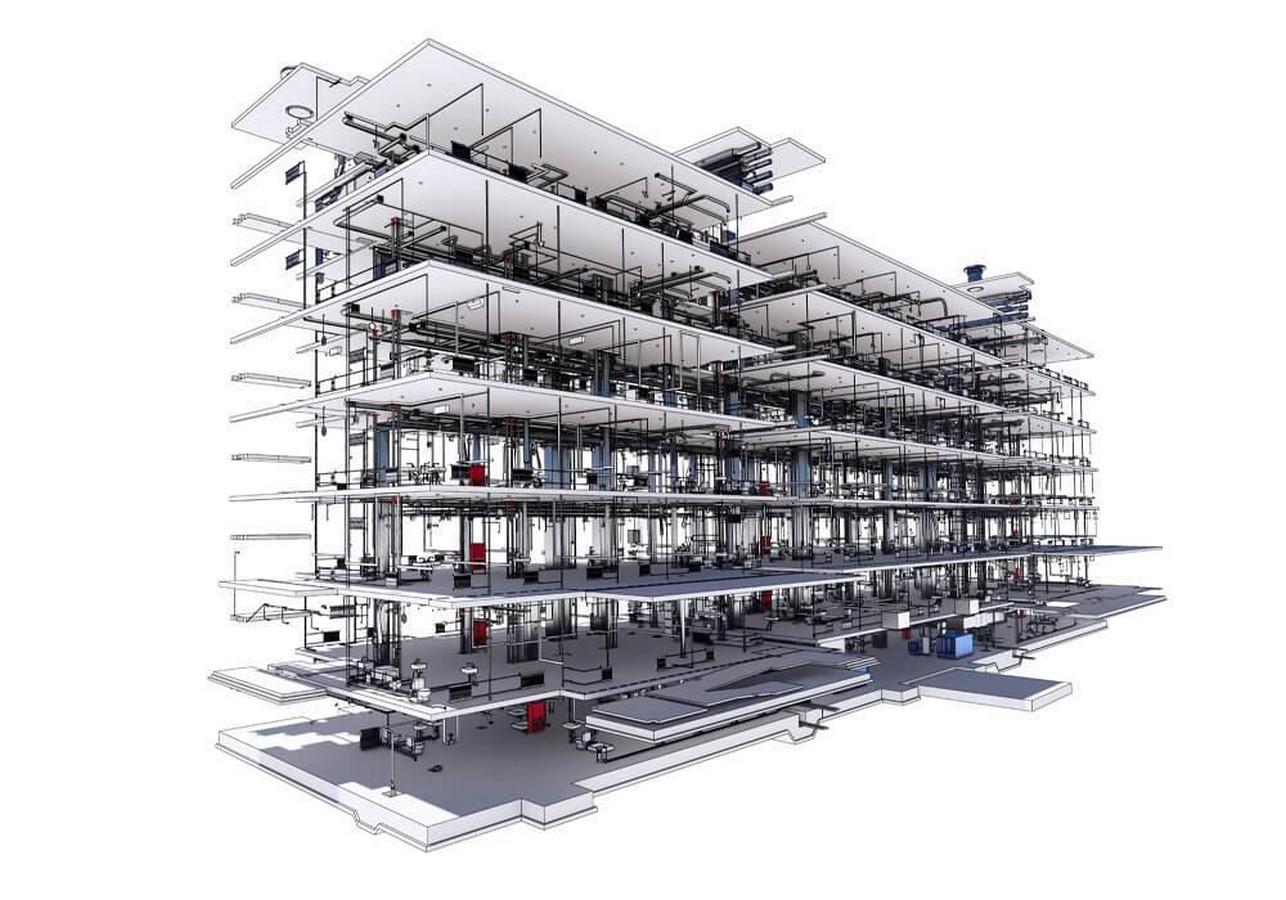
Building Information Modelling (BIM) for efficient planning
Lifecycle analysis to assess environmental impact
Simulation tools for optimising performance
These technologies allow for data-driven decisions that enhance sustainability outcomes.
Challenges in Sustainable Structural Design
Despite its benefits, sustainable design comes with challenges:
Higher initial costs for eco-friendly materials
Limited availability of sustainable resources in some regions
Need for specialised expertise
However, with the right planning and professional guidance, these challenges can be effectively managed.
Conclusion
Sustainable building design is no longer optional; it’s essential for the future of construction. Structural engineering plays a crucial role in making buildings not only strong and safe but also environmentally responsible.
By collaborating with experienced professionals like Perceptive Ideas Consulting, developers can ensure their projects meet modern sustainability standards while maintaining structural excellence. The result is a building that performs efficiently today and remains relevant for years to come.